Bioconjugate
Design

Introduction

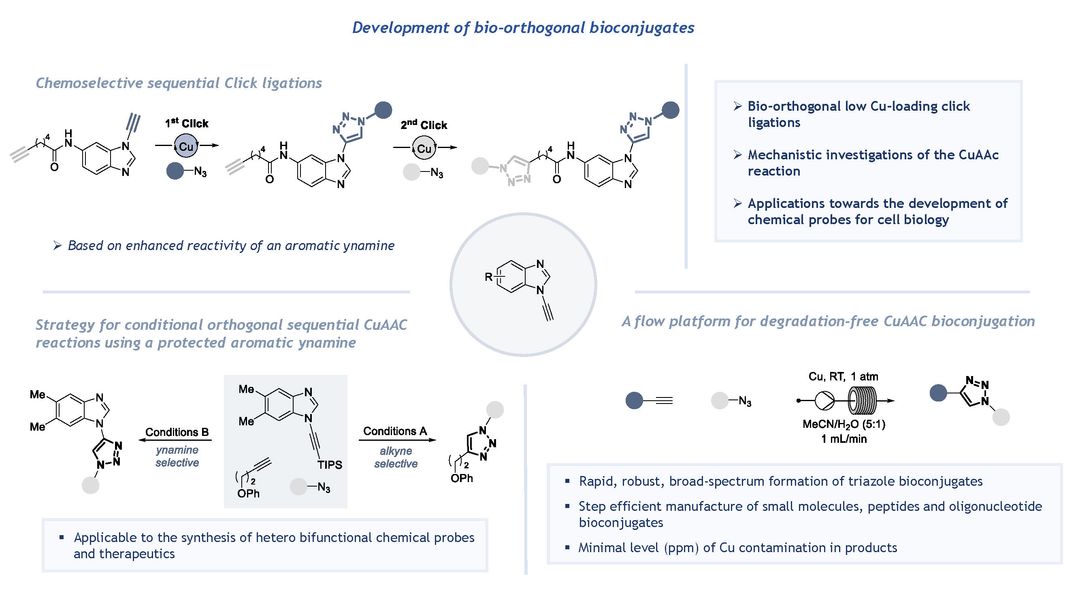
Bio-orthogonal chemistry enables the reaction of two reagents to occur in the presence of a myriad of other reactive groups present in the cellular environment. We are developing new bio-orthogonal reactions that are fast, produce a single product (i.e., no regioisomers) and can be used in the presence of other bio-orthogonal reagents. These reactions are being used to prepare protein and nucleic acid-based bioconjugates and as chemical probes in cell biology.

Related Publications

114.

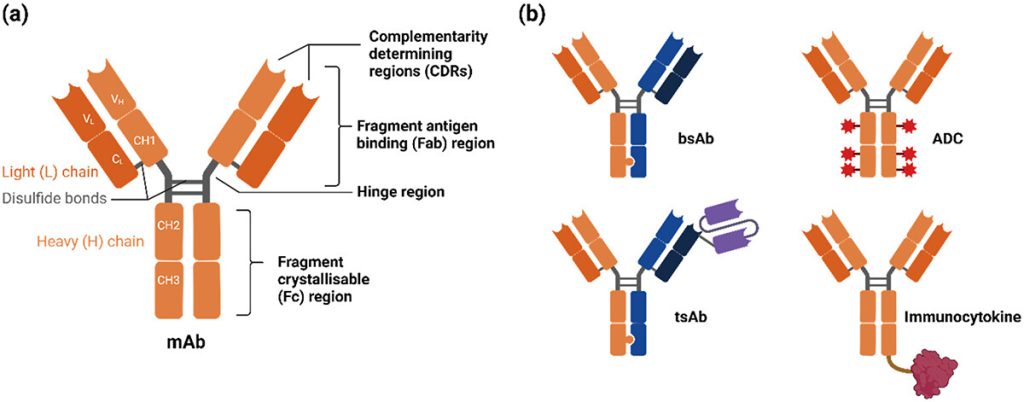
Quantifying antibody binding: techniques and therapeutic implications

111.

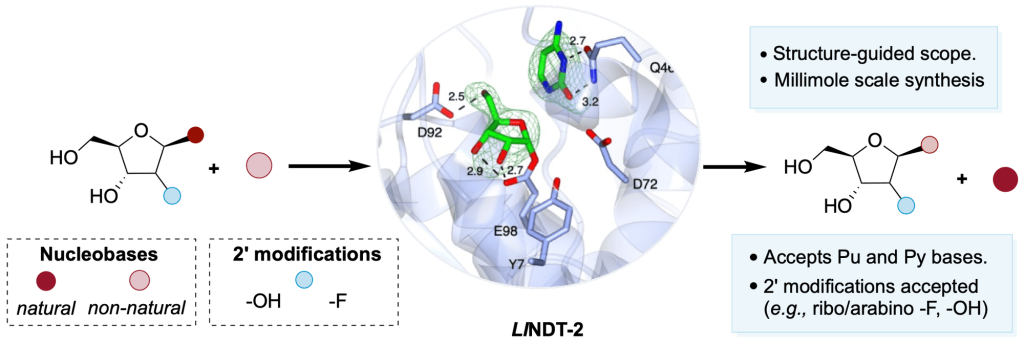
Biocatalytic Synthesis of Ribonucleoside Analogues Using Nucleoside Transglycosylase-2

109.

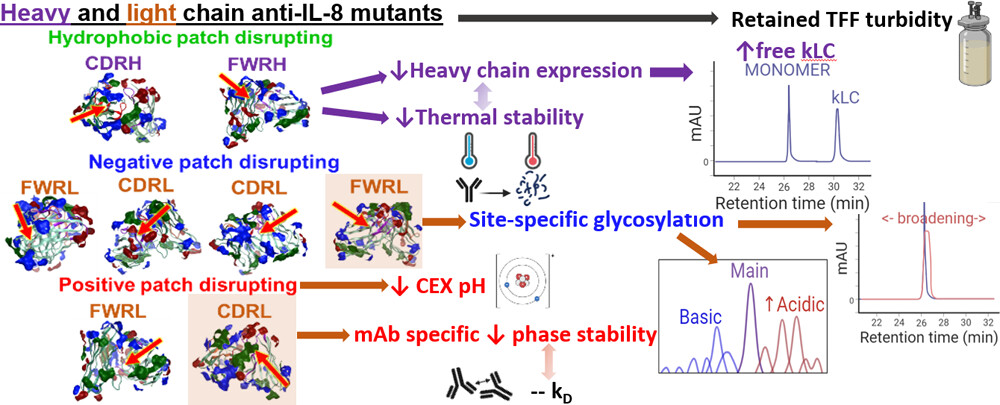
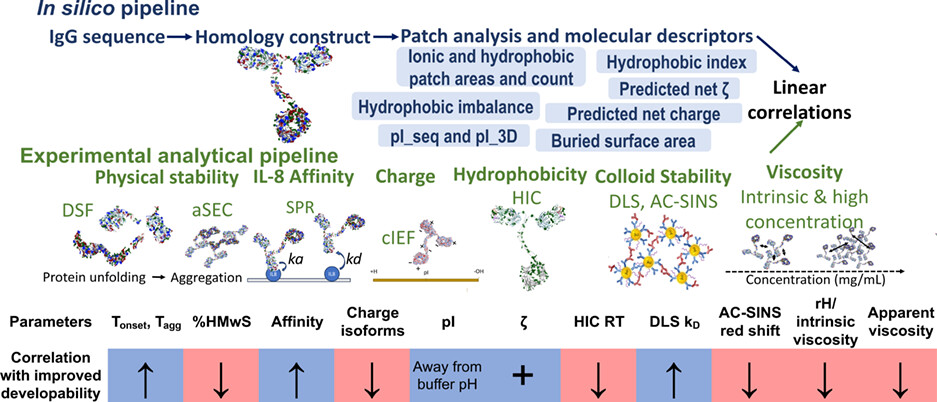
Assessing the Manufacturability and Critical Quality Attribute Profiles of Anti-IL-8 Immunoglobulin G Mutant Variants

107.

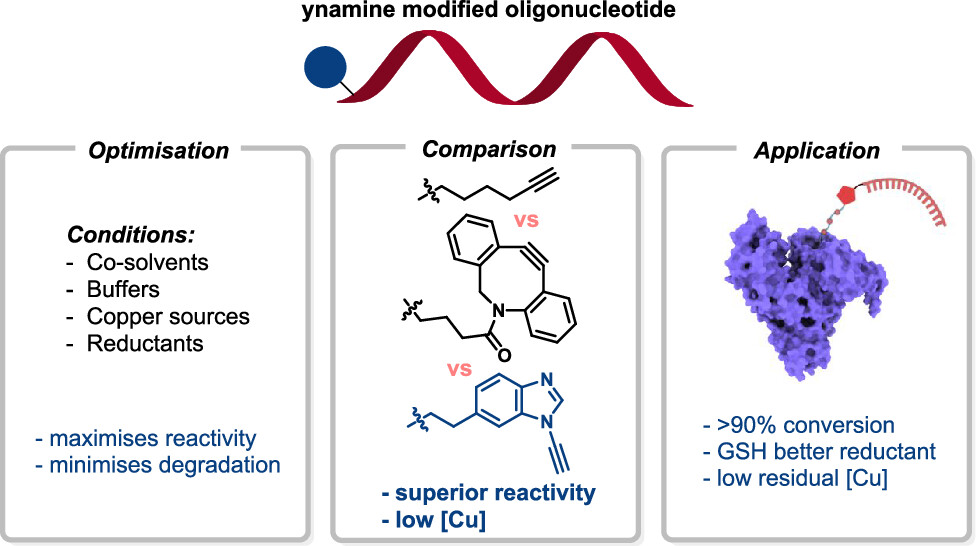
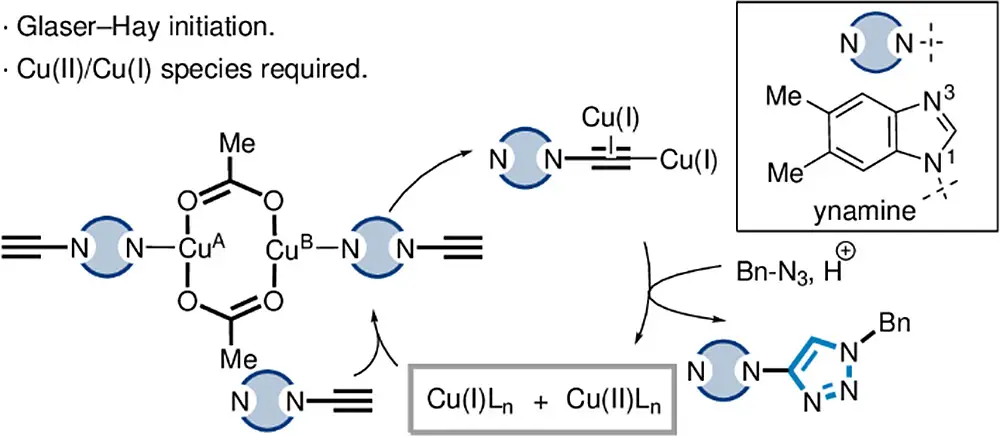
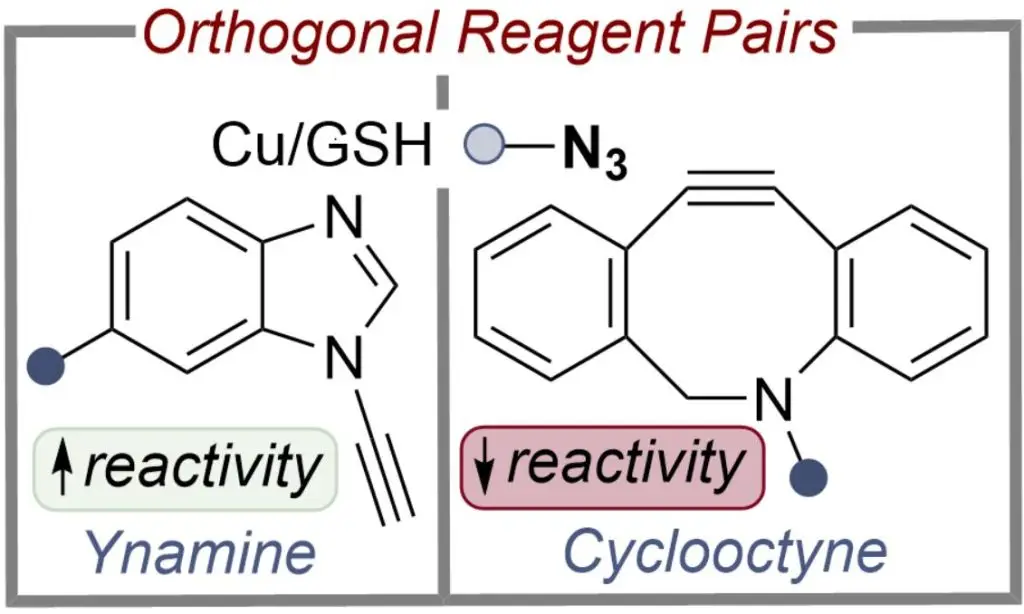
Reactivity Profiling for High-Yielding Ynamine-Tagged Oligonucleotide Click Chemistry Bioconjugations

105.

A First Insight into the Developability of an Immunoglobulin G3: A Combined Computational and Experimental Approach

103.

Mechanistic Basis of the Cu(OAc)2 Catalyzed Azide-Ynamine (3 + 2) Cycloaddition Reaction

102.

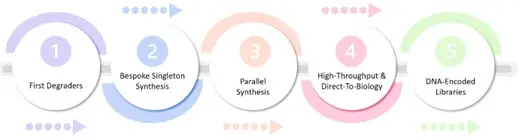
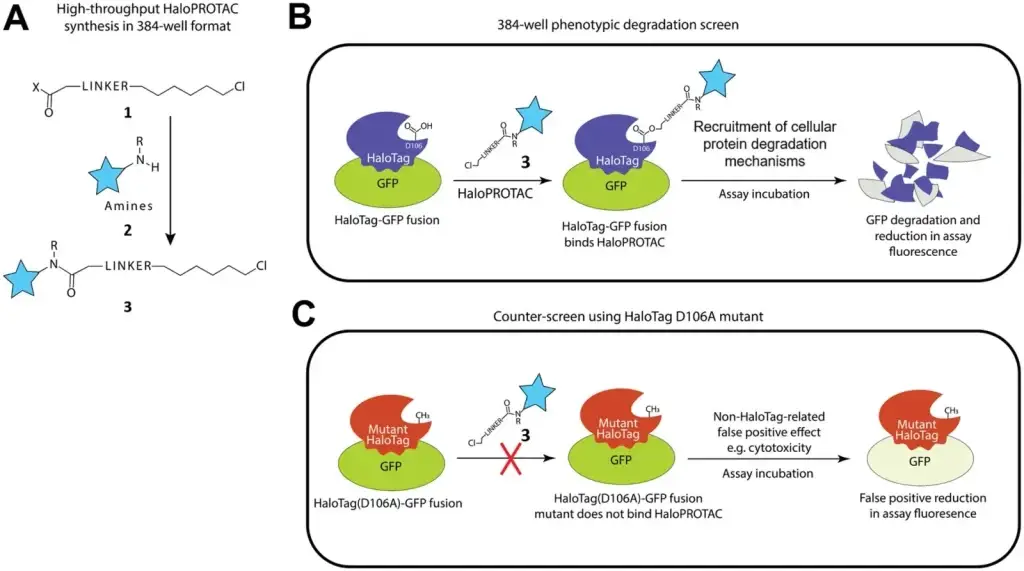
Innovative, combinatorial and high-throughput approaches to degrader synthesis

99.

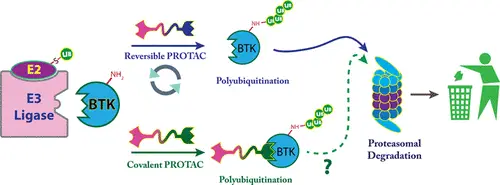
Antibody-Proteolysis Targeting Chimera Conjugate Enables Selective Degradation of Receptor-Interacting Serine/Threonine-Protein Kinase 2 in HER2+ Cell Lines

98.

Glutathione Mediates Control of Dual Differential Bio-orthogonal Labelling of Biomolecules

97.

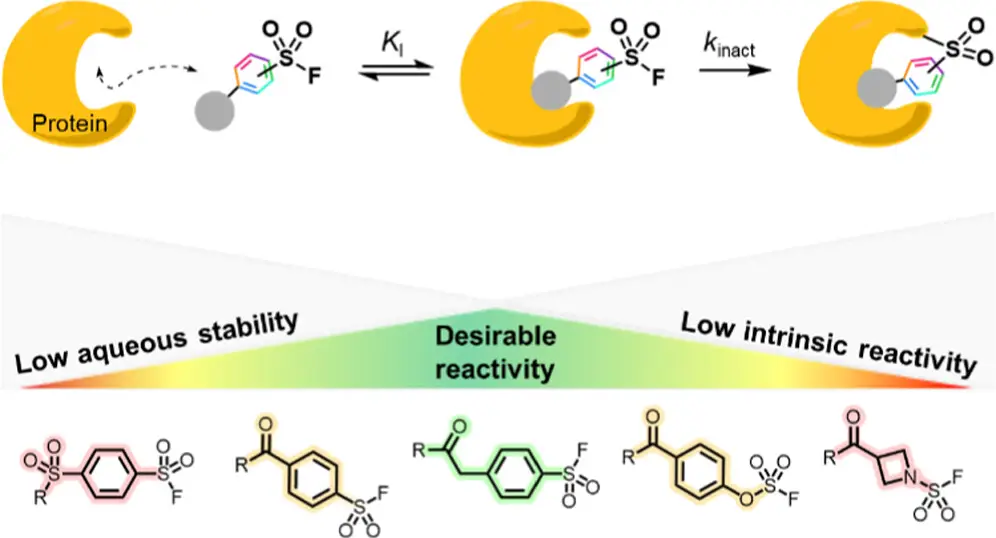
Profiling Sulfur(VI) Fluorides as Reactive Functionalities for Chemical Biology Tools and Expansion of the Ligandable Proteome

96.

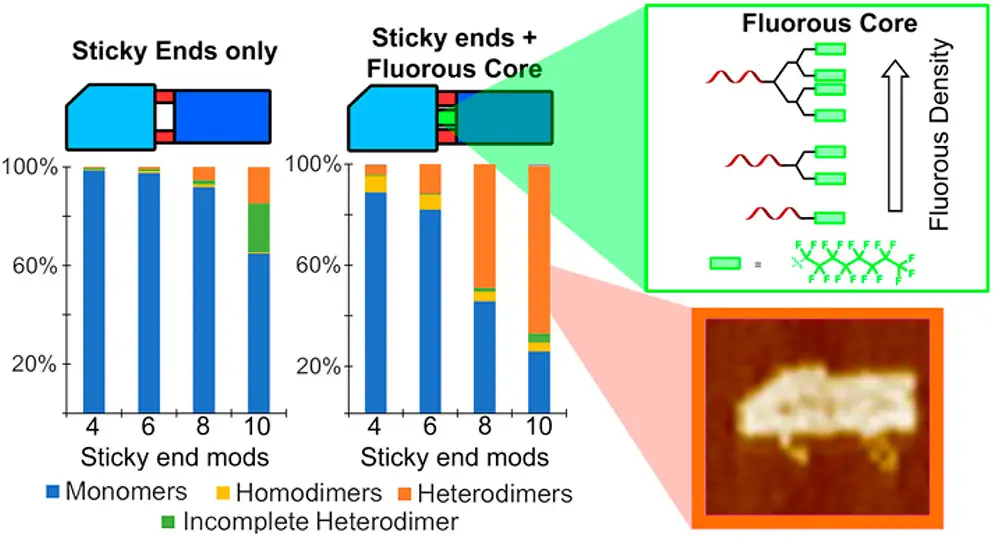
Fluorous-Directed Assembly of DNA Origami Nanostructures

95.

Surface Passivation with a Perfluoroalkane Brush Improves the Precision of Single-Molecule Measurements

94.

Oligonucleotide-Recognizing Topoisomerase Inhibitors (OTIs): Precision Gene Editors for Neurodegenerative Diseases?

93.

Biophysical characterisation of the Bcl-x pre-mRNA and binding specificity of the ellipticine derivative GQC-05: Implication for alternative splicing regulation

91.

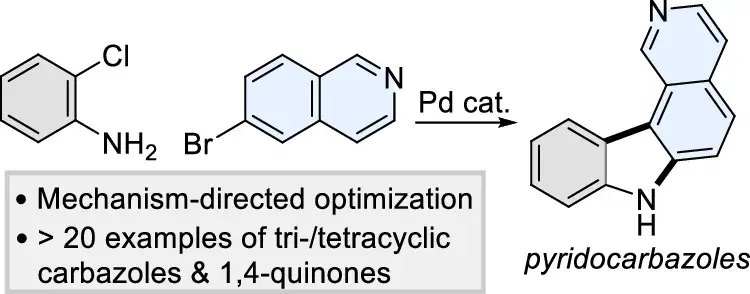
A Chemo- and Regioselective Tandem [3 + 2]Heteroannulation Strategy for Carbazole Synthesis: Combining Two Mechanistically Distinct Bond-Forming Processes

90.

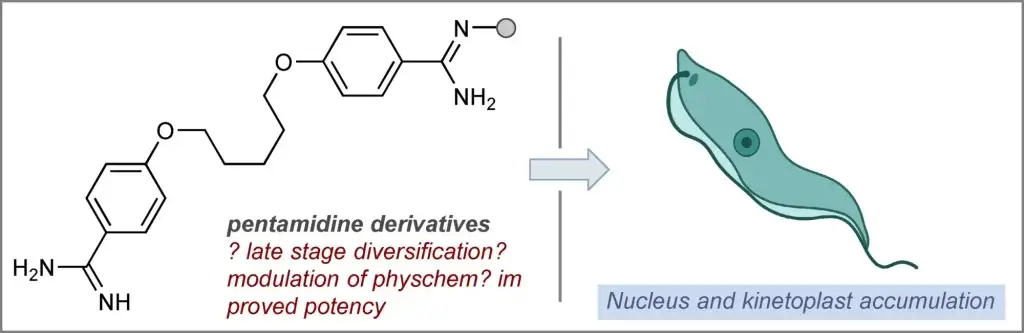
Direct, Late-Stage Mono-N-arylation of Pentamidine: Method Development, Mechanistic Insight, and Expedient Access to Novel Antiparastitics against Diamidine-Resistant Parasites

92.

Biosynthesis of Aurodox, a Type III Secretion System Inhibitor from Streptomyces goldiniensis

89.

A Phenotypic Approach for the Identification of New Molecules for Targeted Protein Degradation Applications

87.

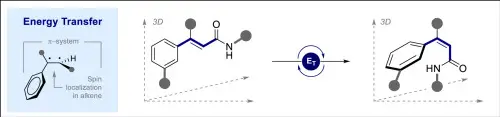
Contra-thermodynamic E → Z isomerization of cinnamamides via selective energy transfer catalysis

88.

Glasgow Early Treatment Arm Favirpiravir (GETAFIX) for adults with early stage COVID-19: A structured summary of a study protocol for a randomised controlled trial