Antibody Drug
Conjugates
Introduction
Antibody drug conjugates (ADCs) are a clinically approved class of therapeutics which can deliver payloads to desired cell types. We are developing new approaches to prepare ADCs that expand the types of drug payloads that can be delivered to diseased cell and tissue types.
Regulating transcription (i.e., the synthesis of an RNA sequence derived from a DNA template) is the fundamental process by which nature controls the early stages of gene expression, and ultimately cellular function. The selective recognition of double-stranded DNA sequences by transcription factors is used by cells to respond to environmental changes, regulating which genes are switched on or off, and is used to control differentiation from one cell type into another. Dysregulation of transcription is also a prominent feature of many neurodegenerative disease and cancer. An enduring challenge in drug discovery is the design of synthetic transcription factors that correct aberrant transcription – i.e., turn on or off – of diseased genes. The group is developing a new generation of synthetic transcription factors that selectively recognise DNA sequences and modulate the expression of target genes.
Related Publications
82.
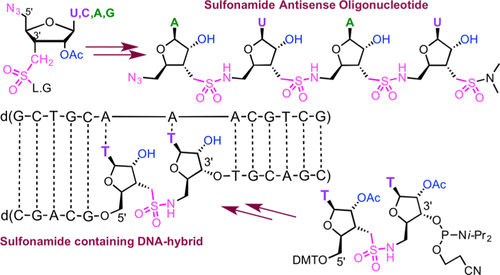
Molecular Construction of Sulfonamide Antisense Oligonucleotides
79.
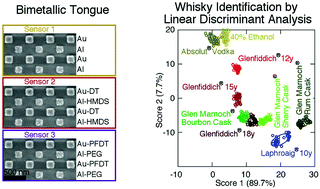
Whisky tasting using a bimetallic nanoplasmonic tongue
73.
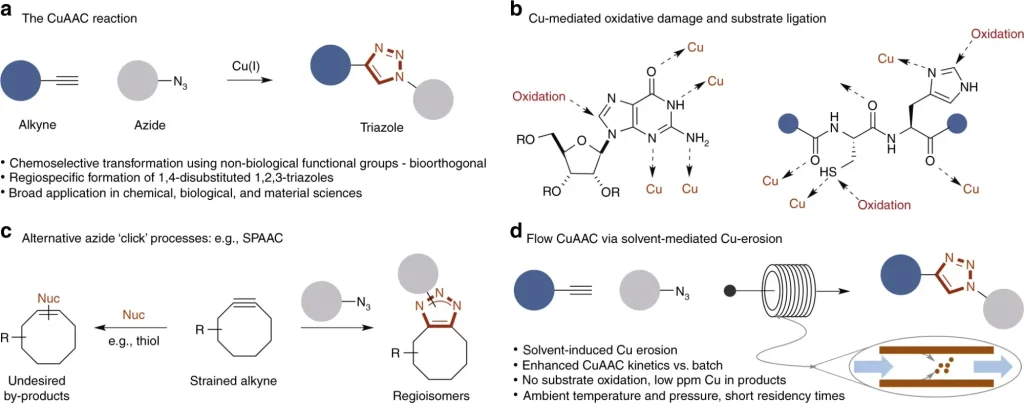
A flow platform for degradation-free CuAAC bioconjugation
72.
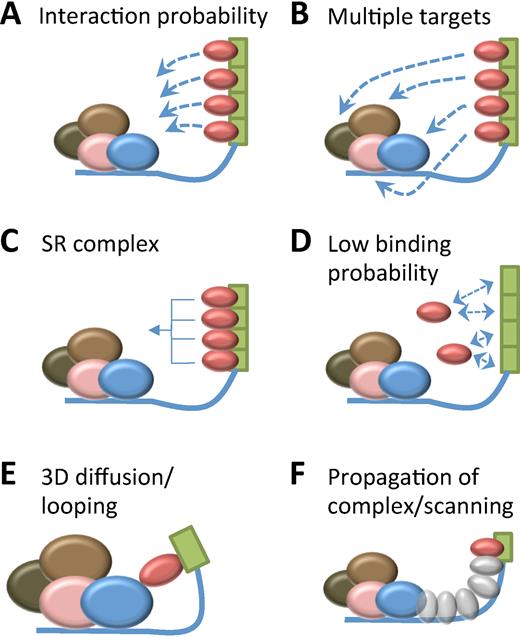
The mechanisms of a mammalian splicing enhancer
58.
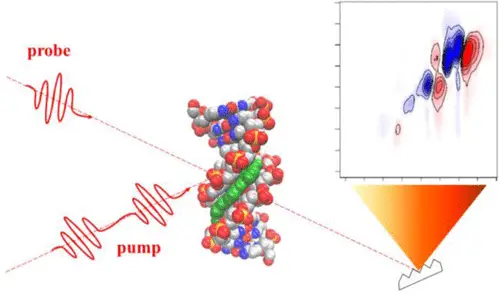
2D-IR Spectroscopy Shows that Optimized DNA Minor Groove Binding of Hoechst33258 Follows an Induced Fit Model
57.
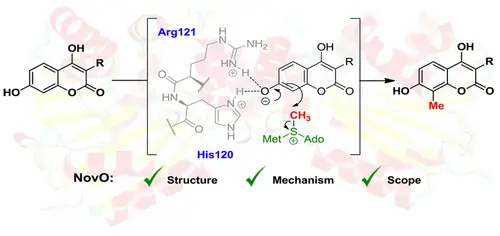
Structural and Functional Basis of C-Methylation of Coumarin Scaffolds by NovO
56.
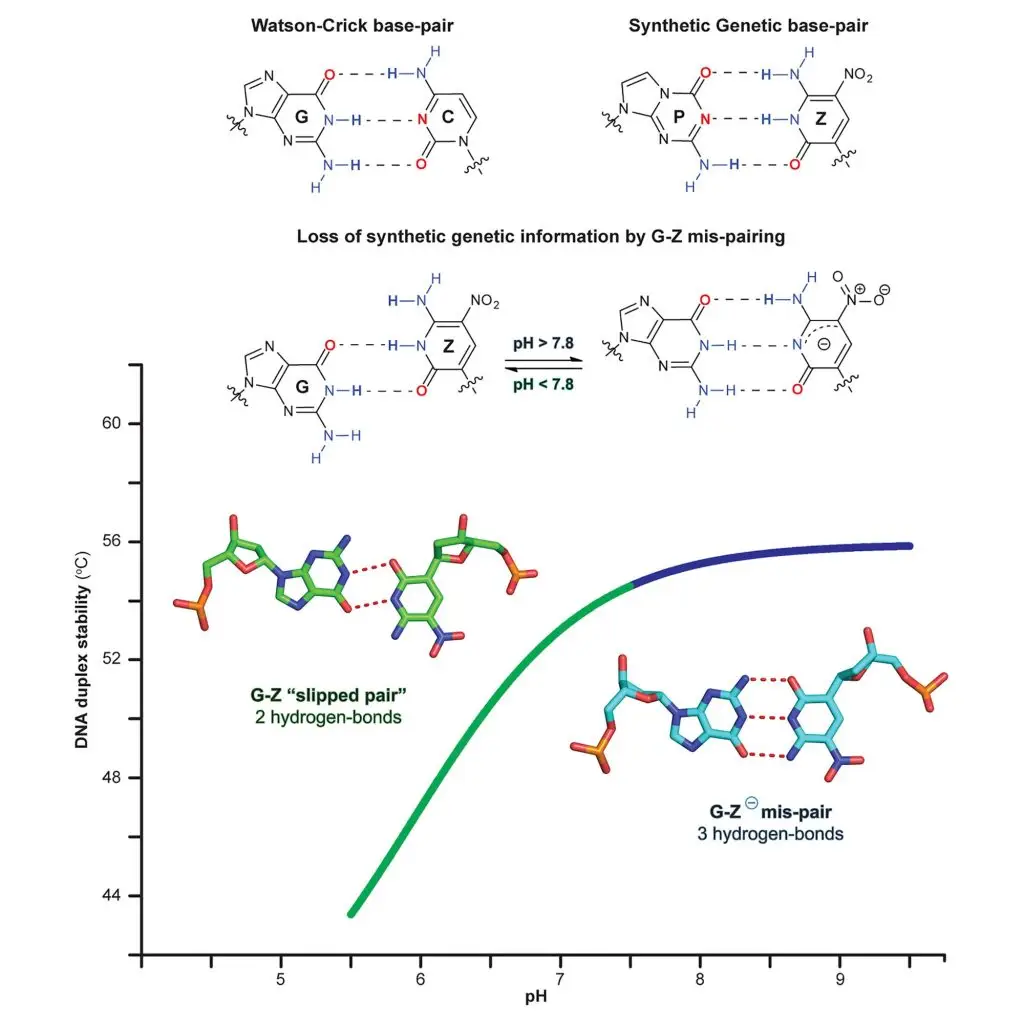
Structural Basis of the Mispairing of an Artificially Expanded Genetic Information System
51.
Pyrrole-Imidazole Polyamides: Automated Solid-Phase Synthesis
50.
Pyrrole-Imidazole Polyamides: Manual Solid-Phase Synthesis
48.
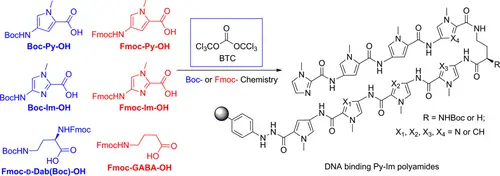
Fully Automated Synthesis of DNA-Binding Py-Im Polyamides Using a Triphosgene Coupling Strategy
47.
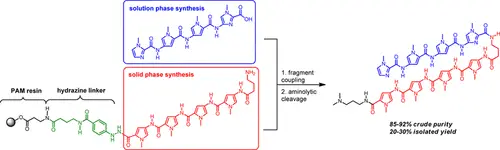
Highly Efficient Synthesis of DNA-Binding Polyamides Using a Convergent Fragment-Based Approach
44.
Malaria Protein Kinase CK2 (PfCK2) Shows Novel Mechanisms of Regulation
43.
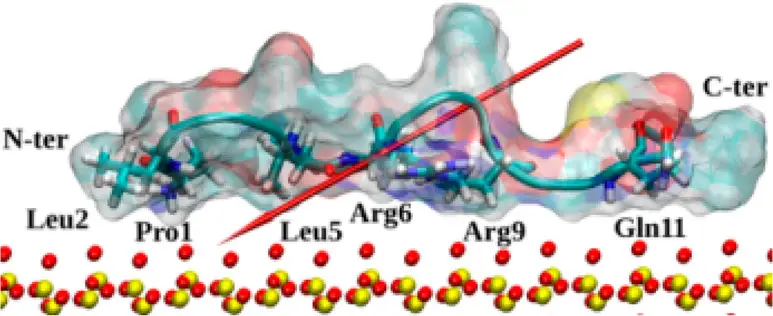
Spontaneous Membrane-Translocating Peptide Adsorption at Silica Surfaces: A Molecular Dynamics Study
40.
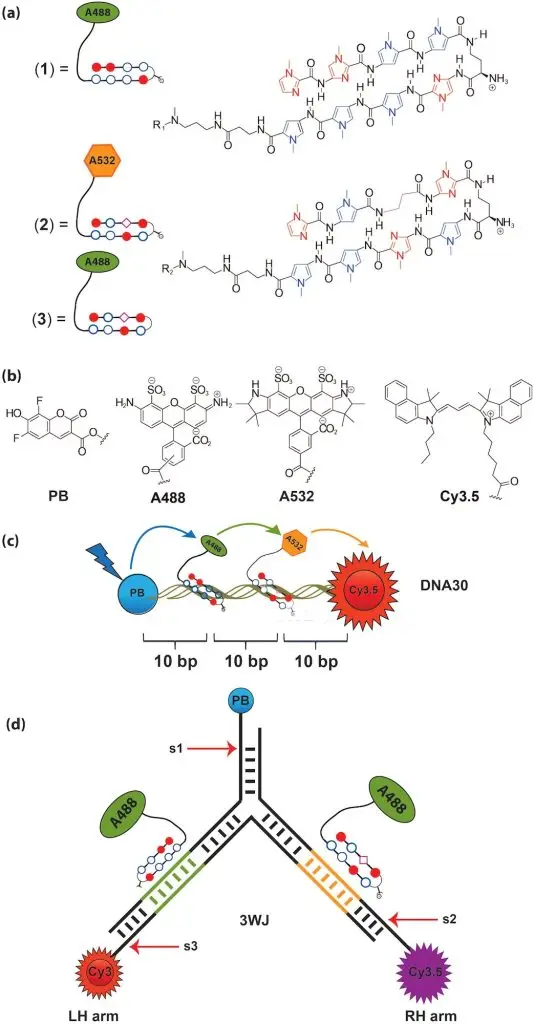
Addressable and unidirectional energy transfer along a DNA three-way junction programmed by pyrrole-imidazole polyamides
39.
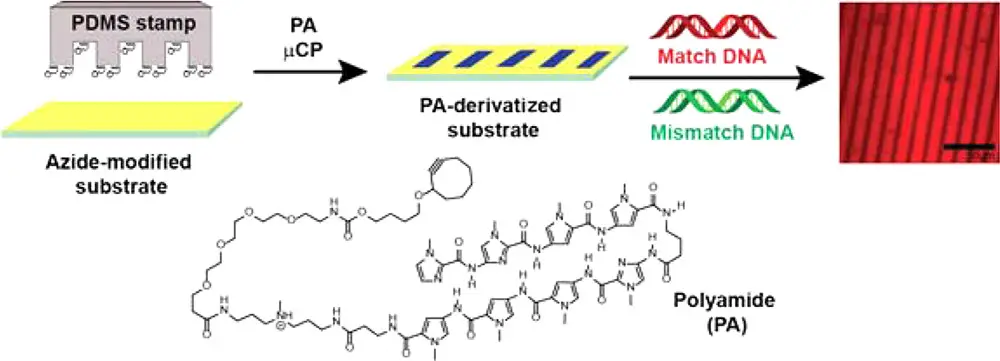
Sequence-Selective Detection of Double-Stranded DNA Sequences Using Pyrrole–Imidazole Polyamide Microarrays
34.
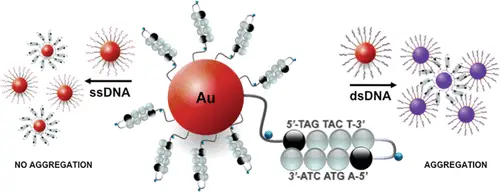
Directed Assembly of DNA-Functionalized Gold Nanoparticles Using Pyrrole–Imidazole Polyamides